MA SVG Medical Assistant SVG PNG Review
As a designer who spends more time looking at stitch lines than actual fabric, I approach every new digital asset with a healthy dose of skepticism. We live in an era where "SVG" is often used as a catch-all term for anything vector-based, but when it comes to machine embroidery design, the difference between a clean, professional finish and a tangled mess is everything. Today, I am putting the MA SVG Medical Assistant SVG PNG through its paces. This isn't just about how it looks on a screen; it is about how it translates to thread, stabilizer, and ultimately, the customer’s hands.
First Impressions: Mood and Visual Personality
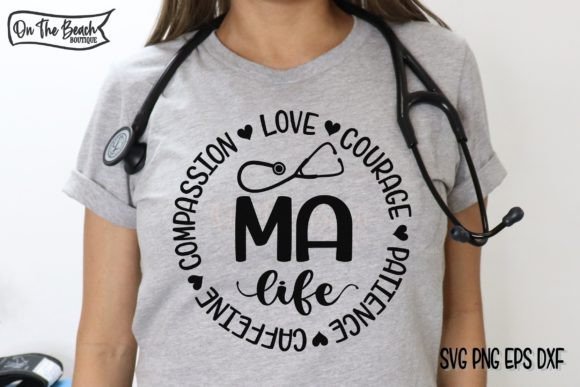
The medical field is saturated with clichés—caduceus symbols, generic hearts, and overly clinical fonts. What stands out immediately with this Graphics category entry is its intent. The title suggests a focus on the Medical Assistant role, which is often overshadowed by nursing or physician branding. Visually, the design carries a warm, celebratory tone rather than a sterile one. It feels like it was created to honor the hard work of support staff, making it perfect for personalized gift scenarios or boutique merchandise that aims to build community among healthcare workers.
The layout appears balanced, avoiding the cluttered look that plagues many low-effort uploads. For an Etsy seller or small shop owner, this visual clarity is crucial. Buyers scroll quickly; they need to see the theme instantly. This design communicates its purpose without shouting. It feels approachable, professional, and ready for a variety of applications, from a subtle chest logo to a larger back print on a sweatshirt.
Real-World Application: The Custom Tote Bag Scenario
Let’s talk about a specific use case. Imagine you are preparing a custom order for a local clinic’s staff appreciation week. You decide to create embroidered tote bags as a practical yet thoughtful handmade product. This is where the true test of any embroidery file begins.
When I visualize the MA SVG Medical Assistant SVG PNG on a canvas tote, I think about placement. A centered chest placement works well for a classic look, but the design might also shine as a larger graphic on the front panel if scaled appropriately. The key here is legibility. Medical assistants are often on their feet, moving quickly. Their gear needs to be durable and clear. If the design features fine details, they must hold up against the friction of daily use. In my experience, designs that celebrate professions tend to perform best when they are bold enough to be recognized from a distance but detailed enough to show quality craftsmanship.
This design fits naturally into the realm of custom apparel and accessories. It could easily transition to a high-quality polo shirt or a structured cap. The versatility is its strongest asset. It allows you to offer a cohesive brand identity for your shop, whether you are selling to individual nurses or bulk ordering for hospital departments.
Technical Considerations for Embroidery Success
While the visual concept is strong, the execution depends entirely on your technical setup. Here is what you need to consider before sending this to the hoop.
- Hoop Size and Density: Always check the recommended hoop size for this file. If the design is dense, you risk puckering on lightweight fabrics. Ensure your machine can handle the stitch count without slowing down excessively, which can lead to tension issues.
- Thread Colors: Contrast is king. On dark fabrics, you will need bright, opaque threads to make the design pop. On light fabrics, darker threads provide elegance. Test your thread colors on scrap fabric first to ensure the intended mood is preserved.
- Stitch Types: Analyze the mix of stitches. Does it rely heavily on satin stitch for borders? Satin stitches can look bulky if not digitized correctly. Are there fill stitch areas? These should be smooth and even. Look for running stitch accents that add detail without adding weight. A good balance keeps the finished product comfortable to wear.
- Stabilizer Choice: Never skip the stabilizer. For a tote bag design or heavy cotton, a cut-away stabilizer is usually safest to prevent distortion over time. For knitwear like sweatshirt embroidery, a tear-away or wash-away might suffice depending on the fabric weight.
Where to Exercise Caution
Not every surface is a friend to embroidery. Be careful when attempting this design on:
- Stretchy Fabrics: Without proper stabilization, stretchy materials like spandex blends can distort the design, making straight lines wavy and text unreadable.
- Textured Fabrics: Rough weaves or fleece can hide fine details. If the design has tiny lettering or intricate corners, these may get lost in the texture.
- Small Hoop Sizes: Trying to cram a complex design into a tiny hoop often results in overlapping stitches and poor definition. Respect the minimum dimensions.
- Curved Surfaces: While caps are popular, applying a flat-design vector to a curved brim requires advanced techniques. Misalignment can ruin the professional look.
Impact on Brand Value and Customer Trust
In the world of craft business and online marketplaces, presentation is half the sale. A well-executed embroidery project signals professionalism. When a buyer sees a clean, crisp finished product, they assume the entire business operates with that same level of care. Conversely, loose threads, misaligned elements, or fabric puckering can erode trust instantly.
Using a high-quality digital embroidery file like the MA SVG Medical Assistant SVG PNG helps maintain that standard. It shows you have invested in good assets. For commercial embroidery projects, consistency is key. If you are producing multiple units for a client, having a reliable source ensures every item looks identical. This reliability is what turns one-time buyers into repeat customers.
Furthermore, the emotional connection matters. Healthcare workers are often underappreciated. Gifting them a beautifully embroidered item that acknowledges their specific role can be incredibly meaningful. It transforms a simple piece of merchandise into a token of respect. This emotional value drives engagement and positive reviews, which are vital for any small shop product listing.
Final Designer Notes
Before you commit to mass production or a large personal order, take these practical steps:
- Test Run: Stitch the design on the exact fabric you plan to use. Check for color accuracy and stitch density.
- Mockups: Use printable mockups to visualize the design in different contexts. Does it look good on a baby onesie? How about a kitchen towel? See where it fits best.
- Licensing: Confirm the licensing terms. If you intend to sell the finished items, ensure you have commercial rights. Some files are for personal use only.
- Detail Inspection: Zoom in on the digital file. Are there any unnecessary nodes or messy paths? Clean vectors translate to cleaner stitches.
The MA SVG Medical Assistant SVG PNG offers a solid foundation for creating meaningful, high-quality embroidery projects. It respects the profession it depicts and provides a versatile canvas for your creativity. By paying attention to the technical details and choosing the right materials, you can turn this digital asset into a tangible symbol of pride for any medical assistant. Whether you are an experienced embroiderer or just starting your journey in design assets, this file deserves a spot in your library.