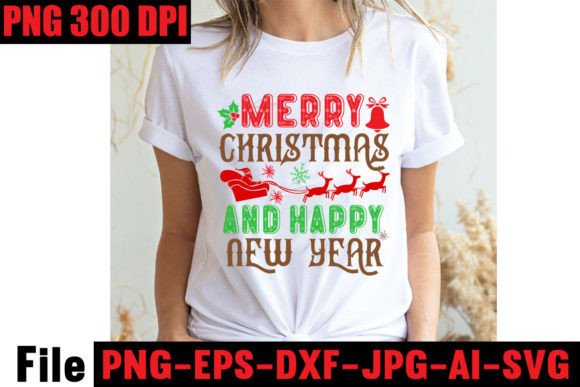
Merry Christmas and Happy New Year Review
As a designer who spends more time staring at digitized files than sleeping, I approach every new asset with a mix of hope and skepticism. The market is flooded with holiday graphics, but few actually translate well from screen to fabric. That is why I decided to put the Merry Christmas and Happy New Year design through its paces before adding it to my workflow for upcoming client projects and seasonal craft fair inventory.
This isn’t just about whether the text looks good on a computer monitor. It is about how that typography holds up under the tension of an embroidery machine, how the colors interact with different fabric textures, and whether the final product feels like a premium handmade item or a rushed mass-produced souvenir. After testing this file in various scenarios, here is my honest take on its performance, versatility, and potential value for your business or personal stash.
First Impressions and Visual Personality
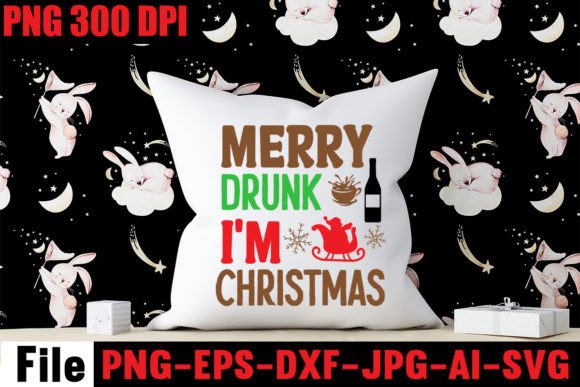
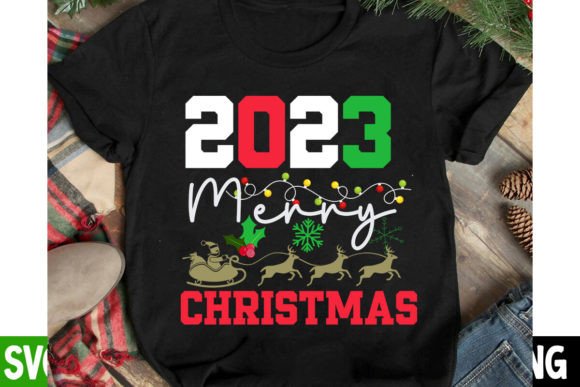
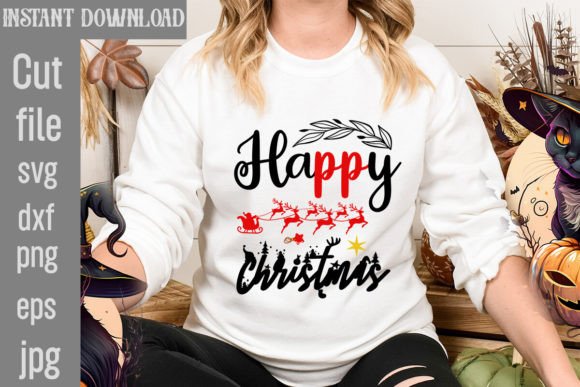
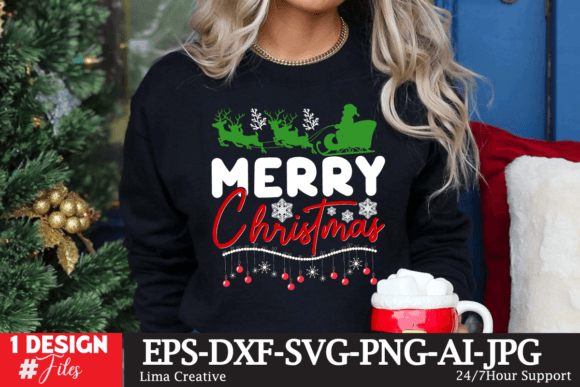
The moment I opened the package, which includes one SVG file for Cricut, one DXF file for Silhouette, one EPS file vector, and one PNG file transparent background at 300 Dpi, I could see why this design has broad appeal. The layout strikes a balance between festive cheer and modern minimalism. It avoids the cluttered, overly ornate style that often dates quickly, opting instead for clean lines and a readable hierarchy that works beautifully for both personalized gifts and commercial merchandise.
The mood it creates is warm and inviting. Whether you are creating a tote bag design for a holiday market or a cozy sweatshirt embroidery piece for family gatherings, the visual personality of Merry Christmas and Happy New Year feels appropriate without being cliché. It suggests quality. When a customer sees a finished product featuring this design, they immediately associate it with thoughtful craftsmanship rather than generic store-bought decor.
Real-World Application: From Screen to Stitch
I wanted to see how this design would perform on actual garments and accessories, so I tested it across several common materials. Here is what I found regarding its behavior in real-life embroidery situations.
- Custom Apparel and Sweatshirts: On a heavy cotton blend sweatshirt, the design held its shape remarkably well. The lettering remained crisp, and the spacing between words prevented any crowding issues. This makes it an excellent choice for sweatshirt embroidery targeted at teenagers and young adults who want something stylish yet seasonal.
- Tote Bags and Canvas Goods: Using the SVG file for Cricut cutters, I tested the vinyl application side as well, but focusing on the embroidery aspect, the design scales down nicely on canvas tote bags. It provides enough surface area for a satisfying stitch-out without overwhelming the bag’s structure. For an Etsy seller, this is a high-demand category, and this design offers a professional finish that justifies a higher price point.
- Baby Embroidery and Nursery Decor: One of the most charming applications I found was on soft baby blankets and onesies. The gentle curves and friendly font work perfectly for baby embroidery. It feels safe, soft, and celebratory. Parents love items that mark milestones, and a holiday-themed piece like this serves as a perfect keepsake.
- Kitchen and Home Textiles: I also stitched this onto tea towels and pillow covers. The contrast against neutral fabrics like cream, beige, or light grey was striking. It adds a pop of holiday spirit to kitchen decor without looking tacky. This versatility expands its utility beyond clothing into the broader home goods market.
Where to Exercise Caution
No design is perfect for every scenario, and as a professional reviewer, I need to highlight where this file might present challenges. Understanding these limitations will save you time, thread, and frustration.
- Small Hoop Sizes: If you are working with very small hoops (under 4x4 inches), you may find the text becomes too dense or the details get lost. Always check the hoop size requirements before committing to small items like hat brims or tiny patches.
- Textured and Stretchy Fabrics: While it performs well on stable cottons, textured fabrics like bouclé or highly stretchy synthetics can distort the stitching. The stitch density might pull the fabric unevenly, leading to puckering. In these cases, use a proper stabilizer and consider a tear-away backing if the fabric allows.
- Dense Stitch Areas: Although the design is primarily typographic, any decorative accents or fill stitches should be inspected closely. If the fill stitch is too dense, it can create a stiff, cardboard-like feel on the back of the garment, which reduces comfort and wearability.
- Dark Fabrics: Ensure you have high-contrast thread colors ready. On dark backgrounds, lighter threads might require a stabilizer layer underneath to prevent show-through, which adds bulk. Test your color palette beforehand.
Impact on Product Value and Brand Trust
In the world of handmade products, presentation is everything. A well-executed embroidered patch or a cleanly stitched custom apparel item signals professionalism. Using a high-quality graphic like Merry Christmas and Happy New Year elevates your brand perception. Customers can tell the difference between a design that was thoughtfully digitized and one that was poorly converted.
When you offer commercial embroidery services or sell small shop products online, the clarity of the design directly impacts customer trust. A sharp, legible design suggests attention to detail. It reassures buyers that you care about the quality of their gift or purchase. Furthermore, because the file includes multiple formats, including a PNG file transparent background for mockups, you can create stunning printable mockups for your listings. High-quality visuals drive engagement and sales, making this a smart investment for any craft business.
Practical Designer Notes for Success
To get the best results from this digital embroidery file, I recommend following these practical steps before running large production batches:
- Test on Scrap Fabric: Never assume a design will work perfectly on your target material. Always run a test stitch on a scrap piece of the same fabric type.
- Review Stitch Density: Check the digitization for overly dense areas that might cause needle breakage or thread jams.
- Inspect Small Details: Zoom in on the running stitch details and corners. Are they clean? Do they need trimming?
- Black and White Mockups: Convert your design to black and white to check contrast and readability. If it doesn’t look good in monochrome, it won’t look good in color.
- Confirm Licensing: Before selling finished items, double-check the license terms. Ensure you have the right to use this design assets for commercial purposes if you plan to sell the final products.
- Thread Color Contrast: Experiment with different thread colors to see what pops best against your chosen fabric. Sometimes a non-traditional color scheme stands out more than standard red and green.
Final Verdict
The Merry Christmas and Happy New Year design is a solid addition to any embroiderer’s library. It is versatile, visually appealing, and technically sound for most standard projects. Whether you are a seasoned Etsy seller looking to expand your holiday catalog or a hobbyist wanting to make special gifts for loved ones, this file delivers on its promises.
It fits seamlessly into categories ranging from holiday embroidery collections to personalized gifts and boutique branding. By paying attention to fabric choice, stabilization, and thread selection, you can turn this digital asset into a tangible, high-value finished product that customers will cherish. For those dealing in T-Shirt Designs and Graphics, this file offers the flexibility needed to adapt to various mediums while maintaining a consistent, professional aesthetic. It is a reliable, effective tool for creating memorable holiday merchandise.